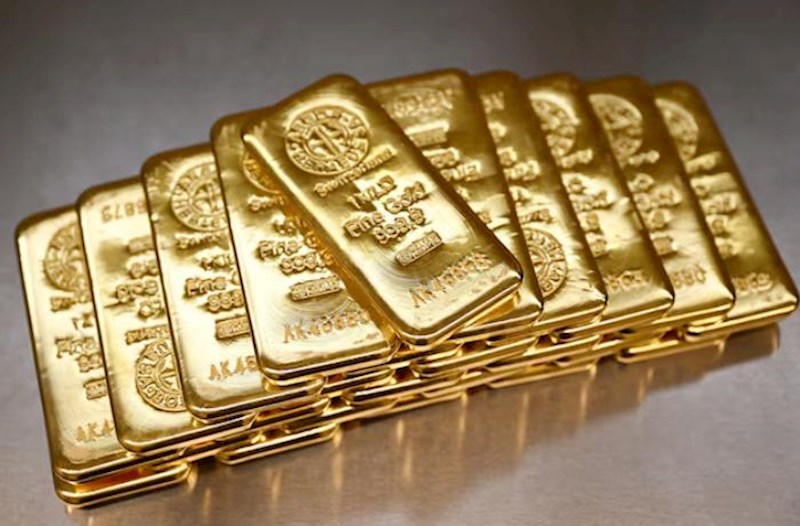
The acceleration of gold purchases by central banks in 2026 indicates the emergence of new trends in the global financial system.
Yeniavaz.com reports according to the World Gold Council and the International Monetary Fund, central banks purchased a total of 244 tonnes of gold in the first quarter of 2026. This figure is higher than the previous quarter and the average for the past five years.
The United States is the world leader with gold reserves of 8,133.5 tonnes. The country's main gold reserves are stored at Fort Knox and the Federal Reserve Bank of New York. However, this figure has remained virtually unchanged since the early 2000s.
According to data for the first quarter of 2026, the top 10 countries with the world's largest gold reserves are:
United States – 8,134 tonnes (69% of national reserves)
Germany – 3,350 tonnes (69%)
Italy – 2,452 tonnes (66%)
France – 2,437 tonnes (66%)
China – 2,313 tonnes (9%)
Russia – 2,311 tonnes (29%)
Switzerland – 1,040 tonnes (7%)
India – 880 tonnes (11%)
Japan – 846 tonnes (5%)
Netherlands – 612 tonnes (58%)
The combined holdings of the top ten countries account for approximately 70% of the world's official gold reserves. The United States and European countries together hold more than 60% of global reserves.
Notably, the United States and Germany hold approximately 69 percent of their national reserves in gold. In large economies such as China and Japan, this figure is 9 percent and 5 percent, respectively. This difference reflects the different reserve strategies of Asian economies compared to the historical gold reserves of the West.
Poland led the way in gold purchases in the first quarter of 2026. The country added 31 tonnes of gold to its reserves, bringing their total to 582 tonnes.
The National Bank of Poland plans to further increase its gold reserves. The bank's management attributes this policy to the country's location on NATO's eastern flank and the protection of strategic reserves from external risks.
Uzbekistan ranks second. The country added 25 tonnes of gold to its reserves in the first quarter, bringing the total to 416 tonnes. With approximately 87 percent of Uzbekistan's foreign exchange reserves comprised of gold, it is considered one of the highest in the world.
Kazakhstan also continued its gold purchases, acquiring 12.5 tonnes in the first three months of the year.
The People's Bank of China added another 7 tonnes to its reserves. This means the country has been purchasing gold continuously for 17 months. According to official data, China's gold reserves amount to 2,313 tonnes. However, some unofficial estimates suggest the actual reserves may be higher. The Czech Republic rounds out the top five, purchasing 5.04 tonnes of gold in January-March 2026.

 Tətbiqimizi yükləyə bilərsiniz