People with health problems sometimes encounter different answers when they consult a doctor.
As Yeniavaz.com reports, different diagnoses given to people seeking medical attention for the same complaints can lead to dissatisfaction and questions.
In such situations, the patient also feels confused, unsure what to do, or whom to trust.
So why do people give different diagnoses for the same complaints?
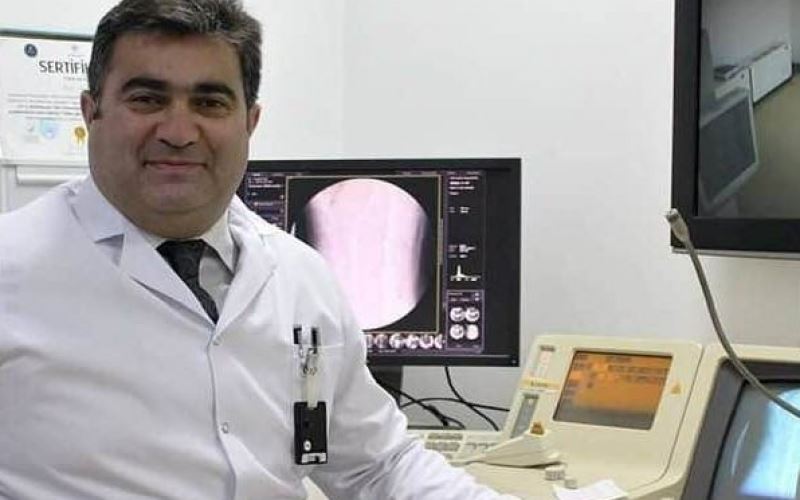
In an interview with Yeniavaz.com, radiologist Aydin Aliyev noted that making a diagnosis based solely on initial observations and assumptions leads to errors:
"It often happens that a patient describes their complaint, and the doctor, without conducting a precise examination, says, 'You probably have this or that disease.' Another doctor might listen to these complaints and make a different diagnosis. In other words, a diagnosis based solely on a complaint or an initial physical examination, such as auscultation, palpation, or percussion, cannot be considered accurate. This is precisely what causes the difference in diagnosis."
Aydin Aliyev believes that patients should demand that doctors provide examination results that confirm the diagnosis:
"I would really like our patients to demand that if a doctor says, 'You have such-and-such a disease,' they provide the patient with information and results confirming it. I view this idea positively—that is, the patient should be able to ask, 'Doctor, on what basis are you giving me this diagnosis?' and the doctor should demonstrate this through tests, examinations, and other evidence. Because laboratory and instrumental studies are the foundation for an accurate diagnosis." For example: CT scans, MRIs, blood, urine, and stool tests, smear and culture results, etc. If the diagnosis is confirmed by these methods, it's a completely different matter, and treatment should be carried out in accordance with international protocols."
Farida Asadzade

 Tətbiqimizi yükləyə bilərsiniz